Seam Welding
Designed for continuous and roll spot welding applications, our seam welding machines use controlled wheel force, current, and travel speed to produce uniform welded seams for containers, cylinders, tubing, and industrial sheet metal assemblies.
AC Seam Welding
Reliable, versatile seam welding for consistent sheet metal joints, with proven AC performance suited to standard seam and roll spot applications.
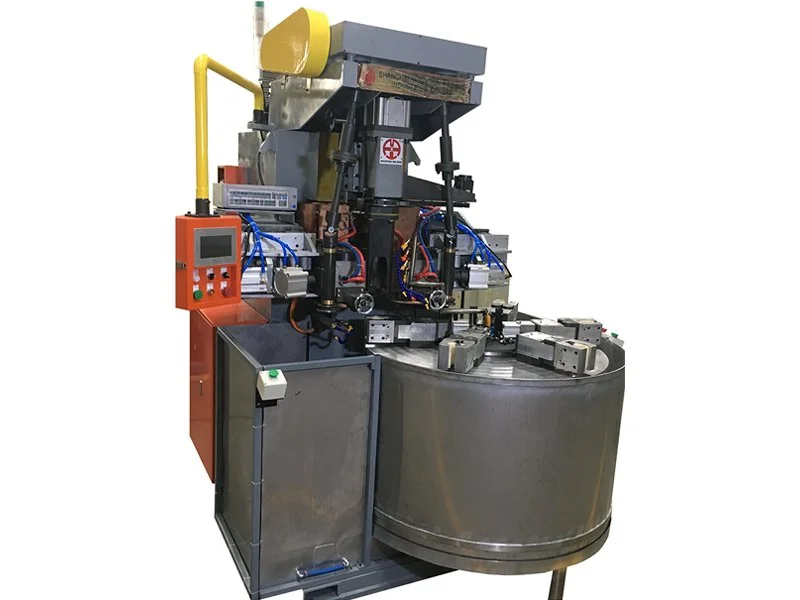
FN-200 H
200 kVA power
10 kN capacity
120 mm vertical stroke
800 mm throat depth
300 mm electrode diameter
2000 mm/min max welding speed
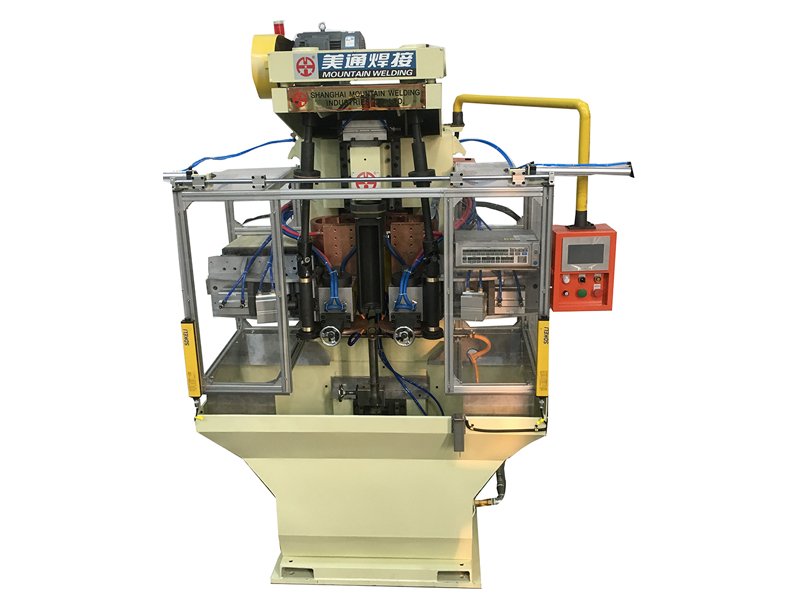
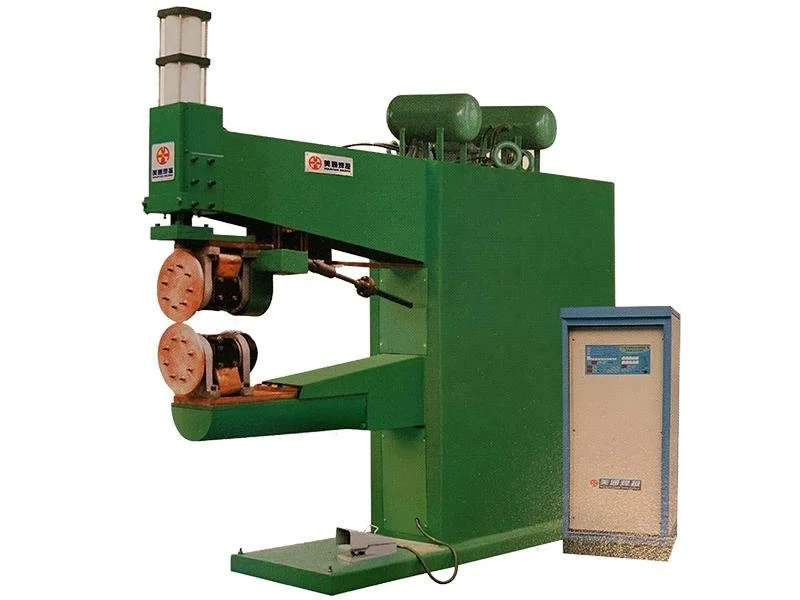
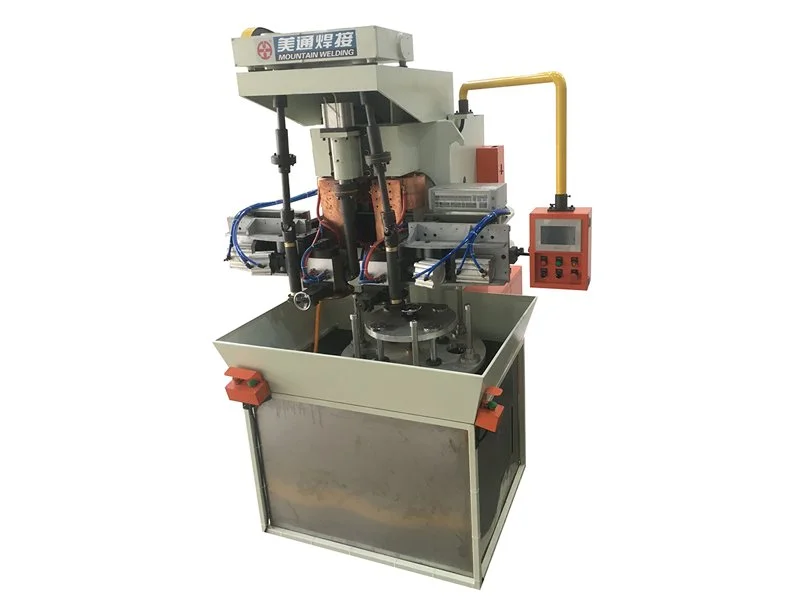
FN-200 Z
200 kVA power
10 kN capacity
120 mm vertical stroke
800 mm throat depth
300 mm electrode diameter
2000 mm/min max welding speed
DC Seam Welding
High-speed seam welding for demanding production, delivering smoother control, faster travel speeds, and strong continuous seams on precision sheet metal assemblies.
FZ-200
200 kVA power
10 kN capacity
100 mm vertical stroke
800 mm throat depth
300 mm electrode diameter
2000 mm/min max welding speed
FZ-3X160 Z
3 x 200 kVA power
15 kN capacity
120 mm vertical stroke
1000 mm throat depth
300 mm electrode diameter
2000 mm/min max welding speed
FAQ
-
AC seam welding uses alternating current. It is the traditional setup for many seam welding applications and is generally a practical, proven choice for standard lap seam and roll spot welding. It works well when production speed is moderate and the material condition is reasonably consistent.
DC seam welding uses direct current, usually created by rectifying AC power into current that flows in one direction. The textbook states that DC can be used for continuous seam or roll spot welding and usually gives a significant speed improvement, especially in mash seam welding, where speeds over 80 feet per minute are often achieved. The tradeoff is that DC is less forgiving of surface condition. Clean surfaces are especially important in seam welding, and that rust or oil should be avoided, especially when welding with DC power.
-
Machine size depends on material type, sheet thickness, weld size, weld count, part geometry, throat depth, stroke, production rate, and required weld quality.
We will be glad to help you choose the right machines for your needs— please use the form below to inquire for up-to-date quoting. -
Power is the welder’s ability to deliver electrical energy to the weld. More current produces more heat at the weld interface, so higher power supports thicker or more conductive materials when paired with the right force and timing.
Capacity describes the practical welding range of the machine, including the material type, thickness, current, and electrode force it can handle reliably.
Throat depth is the horizontal distance from the electrodes back to the nearest machine obstruction, which determines how far into a part the machine can place a weld. A deeper throat allows for larger parts to be welded.
Electrode diameter is the outside diameter of the rotating seam welding wheel, or roll, that applies force and carries welding current into the work. It is not the weld size.
Welding speed max is the maximum travel speed the machine can feed the part through the welding wheels while making the seam. Actual usable speed depends on material, thickness, power supply, weld schedule, cooling, and required seam quality.